

.svg)
February 27, 2026
Shawwal 2026: Life After Ramadan and the Test of Continuity
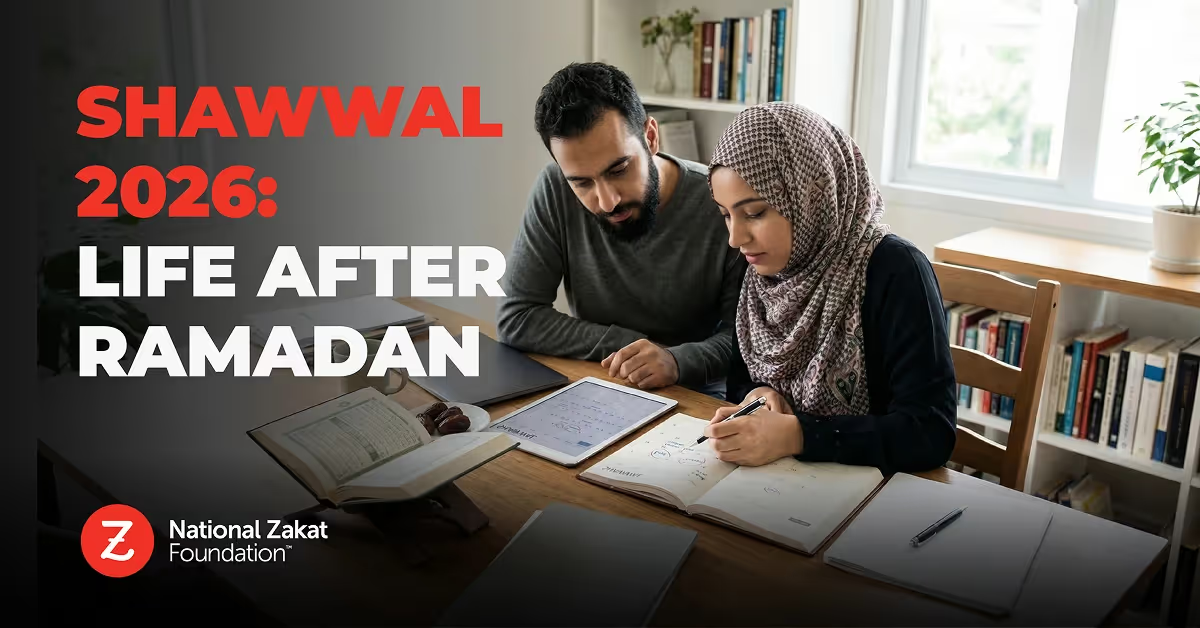
Shawwal: The Quiet Test After the Big Month
Ramadan is full of energy—packed masjids, nightly Qur’an, community iftars, and a special focus on giving. Shawwal feels different. The calendar turns, the Ramadan banners come down, and life quickly goes back to school runs, work emails, and everyday responsibilities.
That is why Shawwal is a quiet but real test. It asks: what stayed with us from Ramadan once the atmosphere changed? Did our habits of worship and giving end with Eid, or did they plant seeds that can grow through the rest of the year? Shawwal is not “Ramadan 2.0,” but it is the first opportunity to prove to ourselves that what we gained in Ramadan was more than a temporary high.
The Six Fasts: A Year’s Reward, A Month’s Reminder
One of the most beautiful gifts of Shawwal is the six voluntary fasts. The Prophet ﷺ said that whoever fasts Ramadan and follows it with six days of Shawwal, it is as if they have fasted the entire year. This incredible reward is not only about numbers—it is about continuity.
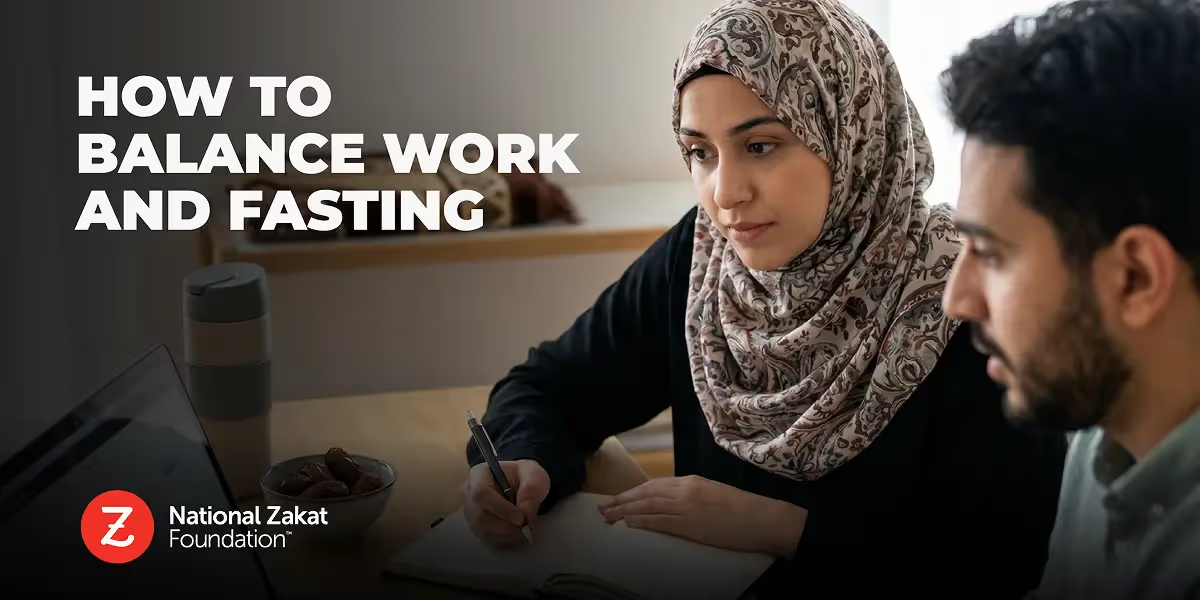
Fasting six days—whether you do them consecutively or spread them throughout the month—keeps your heart connected to the discipline of Ramadan while your routine returns to normal. It’s a gentle reminder:
- That we can still say “no” to our desires for the sake of Allah, even outside Ramadan.
- That worship doesn’t have to be intense to be meaningful; it just has to be consistent.
- That our body and soul both benefit when we keep a small piece of Ramadan alive in Shawwal.
If you cannot fast all six days due to health, pregnancy, work, or other challenges, remember that Allah knows your situation. You can still live the spirit of Shawwal through extra dhikr, dua, charity, and small acts of hidden goodness.
From “Big Deeds” to Sustainable Habits
In Ramadan, many of us reach spiritual peaks: nightly Taraweeh, regular Qur’an, generous donations, and deep dua. Shawwal 2026 is a chance to convert “big deeds” into small, sustainable habits that fit into real life. For example:
- If you finished the Qur’an once in Ramadan, aim for a few pages a day in Shawwal.
- If you gave a large donation in the last ten nights, set a small weekly or monthly sadaqah.
- If you made long duas at night, keep a short daily dua list you revisit after each salah.
Think of Shawwal as a bridge: it connects the intense season of Ramadan with the long road ahead to Dhul-Hijjah and beyond. Rather than feeling guilty about “doing less” than Ramadan, focus on doing a little with sincerity, regularly. These are often the deeds that last.
Shawwal and Local Responsibility: Need Didn’t End at Eid
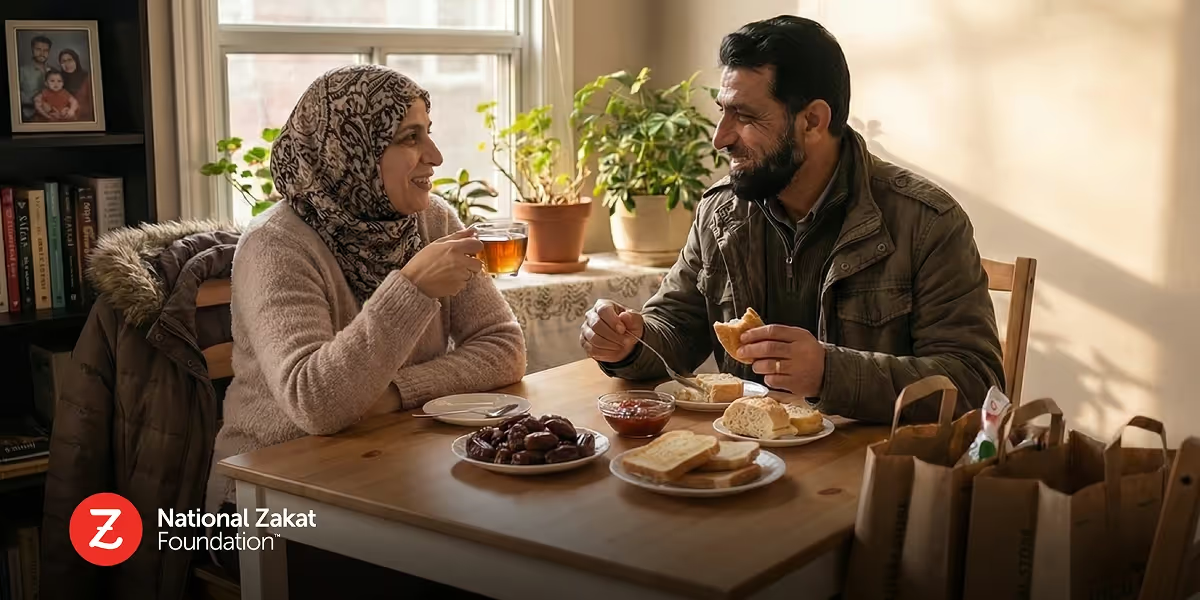
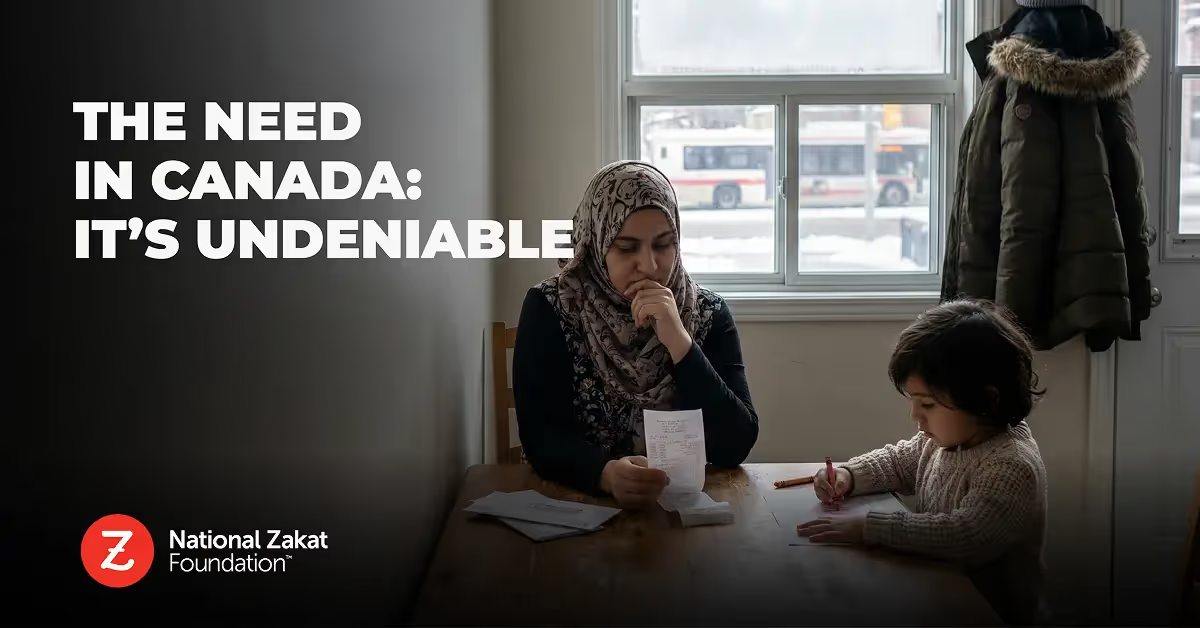
Ramadan and Eid often bring out our most generous giving, but for many in our communities, the hardest days begin after the celebrations. Rent is still due, grocery prices are still high, medications still need to be paid for, and newcomers and elders are still trying to keep up with a rising cost of living.
Shawwal is an important reminder that:
- The families visiting food banks in record numbers did not stop needing help after Eid. (Food Banks Canada)
- Newcomers and refugees are still trying to find stable work and housing long after Ramadan ends. (CBC)
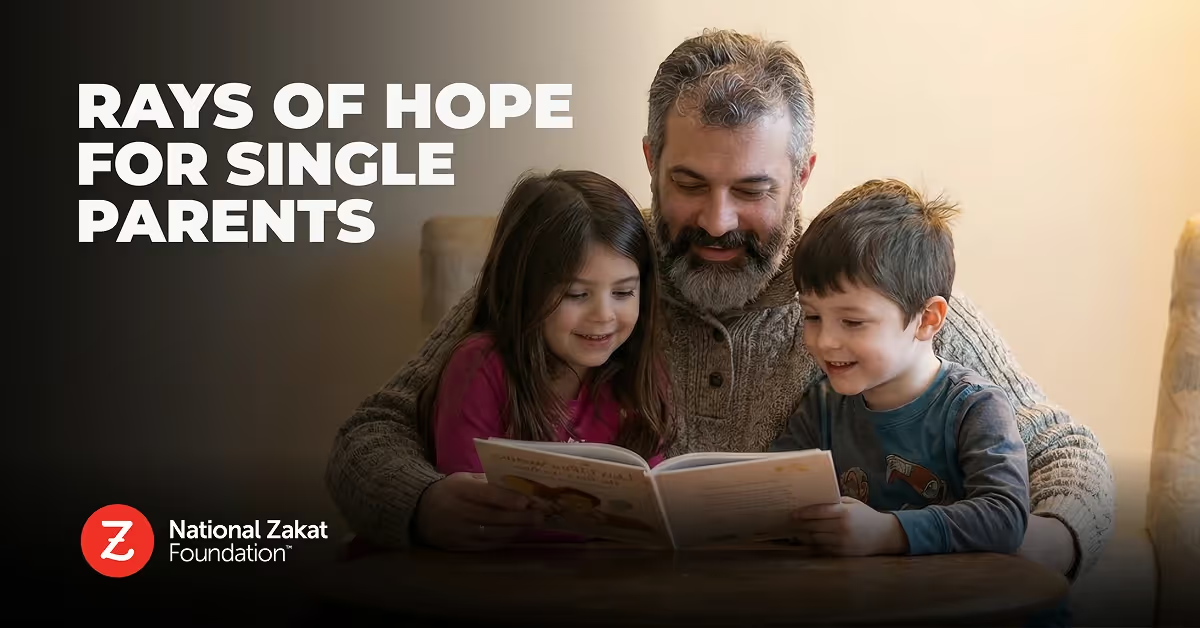
- Seniors, single parents, and people with disabilities continue to face housing and food insecurity quietly, month after month. (CBC)
Through organizations like National Zakat Foundation Canada, Zakat and Sadaqah given in Shawwal still reach Muslims in need across the country—those who may have received a special food hamper or rent support in Ramadan, but now need ongoing help to stay housed, fed, and hopeful. Continuing to give locally in Shawwal turns our Ramadan generosity into a habit of community care.(Food Banks Canada)
Making Shawwal 2026 Your Turning Point
Instead of seeing Shawwal as “the month after Ramadan,” try seeing it as “the month that proves Ramadan changed me.” A few intentional steps can make Shawwal 2026 a turning point:
- Choose one spiritual habit from Ramadan to keep all year (Qur’an, dhikr, duas, or night prayer).
- Plan your six fasts of Shawwal in a way that fits your life—weekends, consecutive days, or spread out.
- Set up a small, regular local donation, even if it’s modest, so your giving continues beyond Ramadan.
- Make dua that Allah accepts what has passed and makes the rest of the year a continuation, not a collapse.
Shawwal doesn’t come with the same fanfare as Ramadan, but in many ways, it asks a deeper question: Will we keep walking toward Allah and toward our neighbours in need—quietly, steadily, and sincerely—when the spotlight is gone?
In Shawwal 2026, may Allah make our answer yes.

recent news
The Latest Updates in Our Organization
Here you will find updates on the latest happenings and developments at National Zakat Foundation Canada.